November 26, 2025
Engine diagnostics are one of the most misunderstood but critically important aspects of modern car care. In today’s world of advanced automotive technology, your vehicle depends on dozens of sensors, computerized controls, and integrated systems to operate smoothly. When something goes wrong, the symptoms you see on the outside—like rough idling, poor acceleration, or a glowing check engine light—are just the tip of the iceberg.
At Texon Motor Center, we specialize in accurate and efficient engine diagnostics for drivers throughout Houston, TX. With years of experience and advanced diagnostic equipment, we can pinpoint problems quickly, help you understand what’s happening under the hood, and recommend the right repairs to protect your engine and prevent expensive breakdowns.
This detailed guide will walk you through everything you need to know about engine diagnostics, why they matter, how problems are identified, and how to stay ahead of engine issues with preventive care.
Why Engine Diagnostics Matter More Than Ever
Gone are the days when diagnosing a vehicle meant listening for unusual noises and visually inspecting a few parts. Today’s vehicles rely heavily on computer-controlled systems, making diagnostics far more precise and far more important.
Modern engines use control modules, sensors, actuators, and advanced monitoring systems to regulate performance. If even one of these components malfunctions, it can affect the entire engine.
Engine diagnostics help:
- Identify issues before they become major problems
- Improve fuel economy
- Reduce emissions
- Prevent breakdowns
- Maintain long-term engine health
- Restore lost power or performance
In Houston, TX—where weather, traffic, and stop-and-go driving put extra stress on your engine—regular diagnostics are one of the smartest maintenance steps you can take.
Understanding the Engine Control Module (ECM)
Think of the ECM as your vehicle’s brain. It monitors:
- Fuel mixture
- Ignition timing
- Air intake
- Emissions controls
- Exhaust flow
- Cooling system efficiency
- Sensor performance
When the ECM detects a problem, it stores a diagnostic trouble code (DTC) and often triggers your check engine light.
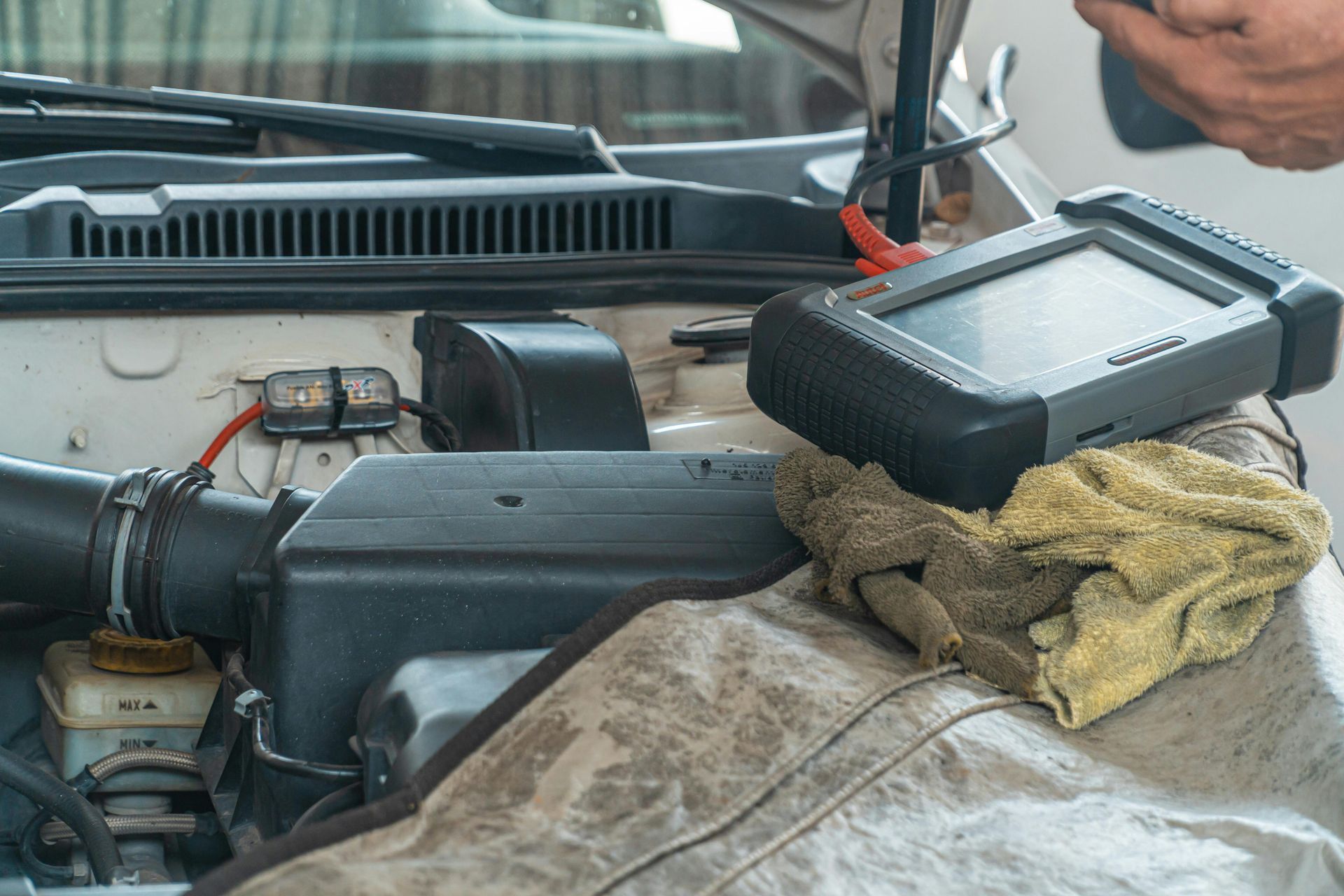
These codes don’t tell you the exact part that failed—they tell you where to start looking. That’s why professional testing makes such a big difference. At Texon Motor Center, we use advanced scan tools that go far beyond generic code readers. We access live data, freeze-frame information, and system-specific diagnostics that pinpoint the issue accurately.
Top Symptoms That Your Engine Needs Diagnostics
Engine problems can show up in many ways. Here are the signs Houston, TX drivers most often notice before scheduling diagnostics:
1. Check Engine Light Is On
The most obvious indicator. A steady light means a non-emergency issue. A flashing light means stop driving immediately.
2. Poor Fuel Efficiency
Sensors play a big role in fuel delivery. When they malfunction, gas mileage drops.
3. Rough Idling or Stalling
Could be caused by misfires, vacuum leaks, or faulty ignition components.
4. Loss of Power or Hesitation
Often linked to failing sensors, clogged filters, or fuel delivery issues.
5. Strange Noises from the Engine Bay
Ticking, knocking, or tapping noises require immediate attention.
6. Hard Starting or Long Crank Times
Ignition problems, weak sensors, or air/fuel imbalances are common causes.
When systems fail, they often overlap—and that’s why accurate diagnostics matter so much. You don’t want unnecessary repairs or parts replacements that don’t actually fix the problem.
What Happens During a Professional Engine Diagnostic at Texon Motor Center
We follow a detailed multistep process to ensure we identify the true source of the issue—not just symptoms.
Step 1: Scan for Trouble Codes
Using state-of-the-art diagnostic equipment, we access the ECM’s stored data, freeze-frame snapshots, and pending codes.
Step 2: Analyze Live Sensor Data
We evaluate real-time readings for:
- Fuel trims
- Oxygen sensors
- Coolant temperature
- Mass airflow
- MAP sensors
- Cam/crank position
- Ignition timing
- Misfire counters
This helps us identify inconsistencies or anomalies.
Step 3: Perform Visual and Mechanical Inspection
We check vacuum lines, wiring, connectors, filters, and mechanical components for obvious issues.
Step 4: Isolate the Problem Area
Sometimes multiple components trigger similar symptoms. We narrow it down through specific tests.
Step 5: Verify the Root Cause
We never guess. We confirm the problem before recommending a repair.
Step 6: Provide Honest Recommendations
Our technicians explain the issue in simple terms and outline the best options for repair.
This process ensures accuracy, saves money, and prevents misdiagnosis.
Common Issues Engine Diagnostics Reveal
You might be surprised by what diagnostics uncover. Some of the most common problems we see at Texon Motor Center include:
- Failing oxygen sensors
- Ignition coil or spark plug issues
- Mass airflow sensor problems
- Faulty throttle body
- Vacuum leaks
- Low fuel pressure
- Timing problems
- EGR valve malfunctions
- Clogged catalytic converters
- Sticking fuel injectors
- Faulty camshaft/crankshaft sensors
Some issues are inexpensive to fix. Others—like fuel system or timing problems—are more serious. Early diagnostics always help reduce repair costs.
How Houston, TX Driving Conditions Affect Your Engine
Houston, TX is known for:
- Heavy stop-and-go traffic
- Hot weather
- Humidity
- Highway speeds
- Frequent short trips
All of these contribute to:
- Faster sensor wear
- More carbon buildup
- Increased cooling system strain
- Reduced fuel economy
- Higher stress on the ignition system
This makes engine diagnostics essential for local drivers who want long-term reliability.
Prevention: How to Reduce the Risk of Engine Problems
We believe education empowers drivers. Here’s how you can keep your engine healthier for longer:
• Stay on top of oil changes
Old oil leads to friction, overheating, and sludge.
• Replace air filters regularly
Clean air improves fuel mixture and sensor performance.
• Use quality fuel
Better fuel means fewer carbon deposits.
• Avoid letting your fuel level get too low
This protects your fuel pump.
• Pay attention to strange engine behavior early
Small problems usually become big ones when ignored.
Preventive maintenance is the secret to a long-lasting engine—especially in Houston, TX.
Why Diagnostics Should Always Be Done by Professionals
Today’s vehicles have complex, interconnected systems. A DIY code reader can only tell you what system has a problem—not why it's happening.
Professional diagnostics prevent:
- Unnecessary parts replacement
- Misdiagnosis
- Wasted time and money
- Potential engine damage
At Texon Motor Center, our certified team uses advanced diagnostic tools designed for deep-level testing. This provides clarity and confidence that your engine will be repaired correctly the first time.
Final Thoughts: Protect Your Engine, Protect Your Investment
Your vehicle’s engine is its most valuable component, and proper diagnostics are the key to protecting it. Whether you’re dealing with a check engine light, rough performance, or declining fuel economy, engine diagnostics help uncover the problem before it becomes serious.
At Texon Motor Center, we’re committed to helping Houston, TX drivers stay informed, safe, and confident in their vehicle’s performance. With advanced diagnostic technology and experienced technicians, we deliver accurate results and trustworthy guidance every time.
When it comes to your engine, answers matter more than assumptions. And with professional diagnostics, you get clarity that leads to dependable, long-term vehicle health.