November 18, 2026
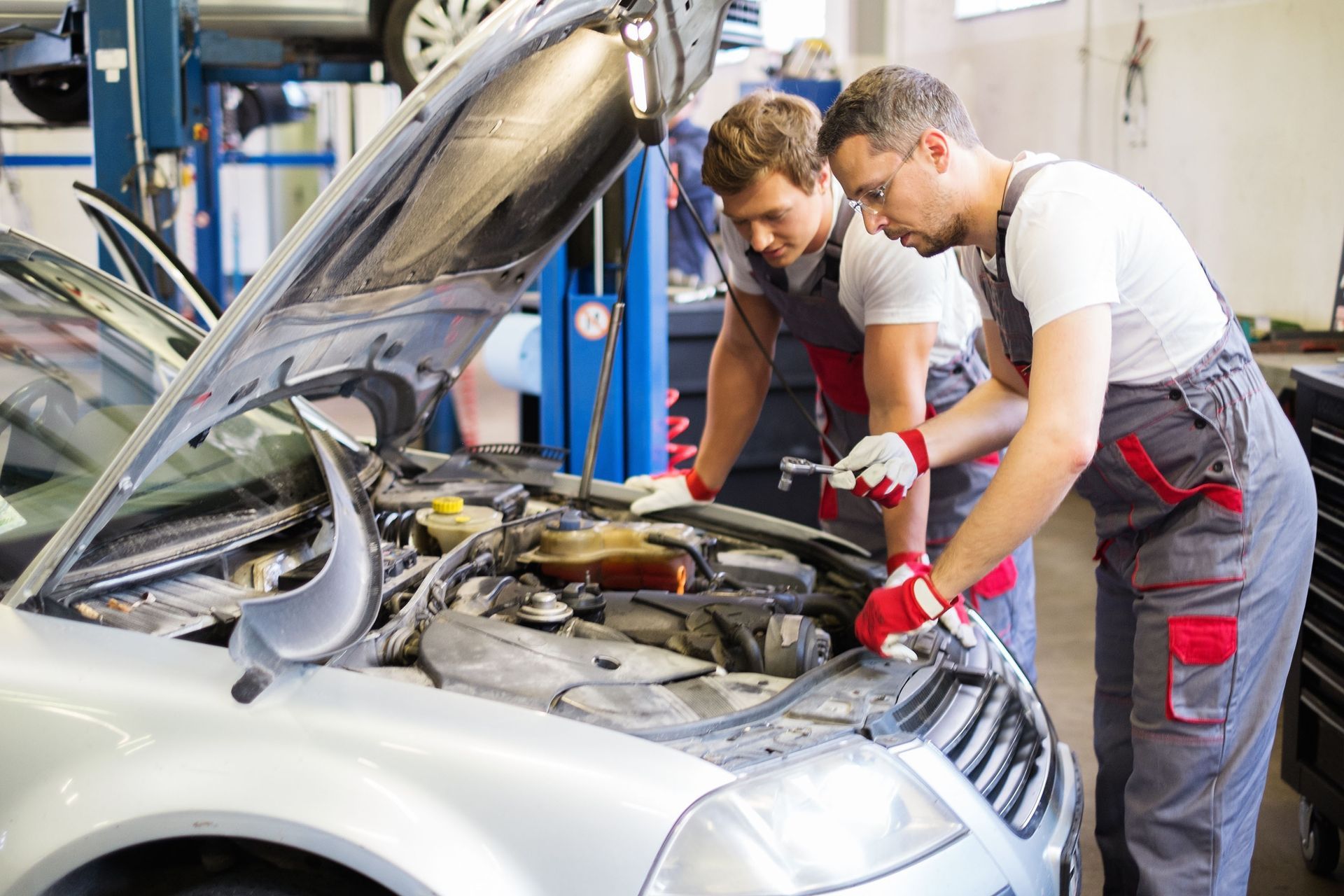
Most drivers only think about their vehicle when something goes wrong, like a warning light, a strange noise, or a breakdown at the worst possible time. An annual inspection gives you a chance to find small problems before they turn into big ones. It also gives you a clearer picture of how your vehicle is holding up, what needs attention now, and what can wait. If you've never had one done, you may wonder what actually happens when your car is on the lift. Below, we'll walk through what a good auto repair shop looks at during an annual check and why each step matters.
Understanding Why Annual Checks Matter
Cars wear out gradually, which makes it easy to overlook problems until they become serious. Brakes thin slowly, fluids break down over time, and belts and hoses crack without much warning. An annual inspection puts a trained set of eyes on all of those systems at once. Catching an issue early usually costs less than waiting for a failure, and it can help avoid being stranded on the road. A thorough inspection also helps you plan for upcoming repairs so there are fewer surprises in your budget. How often you need service depends on your vehicle, your driving habits, and what your owner's manual recommends. Keeping records of past service helps your technician spot patterns.
Checking Tires and Pressure
Tires are the only part of your vehicle that touches the road, so they're one of the first things a technician checks. They look at tread depth, uneven wear, cracks, bulges, and signs that the tires may be out of alignment. Proper pressure matters for safety and for your wallet. According to the U.S. Department of Energy, you can improve your gas mileage by 0.6% on average, up to 3% in some cases, by keeping your tires inflated to the proper pressure. Underinflated tires also wear faster and can handle poorly. The right pressure for your vehicle is usually printed on a sticker inside the driver's door. Checking it when the tires are cold gives the most accurate reading.
Inspecting Brakes
Brakes are among the most important safety systems on your vehicle, and they wear with every stop. During an inspection, a technician looks at the pads, rotors, calipers, and brake lines for wear, leaks, and damage. They also check the brake fluid level and condition, since old or low fluid can reduce stopping power. Squealing, grinding, a soft pedal, or a car that pulls to one side are signs that something needs attention. Brake work should never be put off, since small repairs are far easier than major ones. If you notice any warning signs between visits, it's wise to have them checked right away. Our auto repair shop handles brake service as part of our full range of repairs.
Reviewing Fluids and Filters
Fluids keep your engine, transmission, and cooling system running smoothly. A technician will check engine oil, coolant, transmission fluid, power steering fluid, brake fluid, and washer fluid, looking at both levels and condition. Dark, gritty, or low fluids can point to wear or leaks. Filters are also part of the picture, since a dirty air filter can restrict airflow and hurt performance and fuel economy. Intervals vary by vehicle and driving conditions, so follow your owner's manual. An auto repair shop like ours can handle oil changes, air filter replacement, and fluid changes in one visit.
Testing the Battery, Alternator, and Starter
Few things are more frustrating than a car that won't start. During an annual check, a technician tests the battery's charge and looks for corrosion on the terminals. They also check the alternator, which keeps the battery charged while you drive, and the starter, which turns the engine over. Batteries tend to weaken with age and extreme temperatures, and Houston's heat can be hard on them. Testing before a problem strikes gives you a chance to replace a weak battery on your schedule instead of in a parking lot. As an auto repair shop, we repair and replace alternators and starters.
Examining Belts and Hoses
Belts and hoses do a lot of quiet work under the hood. Belts drive the alternator, power steering, and air conditioning, while hoses carry coolant and other fluids. Over time, rubber can crack, fray, soften, or swell. A technician will look for visible damage, check belt tension, and inspect hoses for leaks and bulges. A failed belt or hose can lead to overheating or a sudden loss of power, so it's worth replacing worn parts before they fail. A visual inspection can often catch trouble early. Listening for squeals or chirps from under the hood is another clue that something may be wearing. Our auto repair shop includes belts and hoses among the services we offer.
Evaluating Steering and Suspension
Steering and suspension components affect how your vehicle handles, how it rides, and how your tires wear. During an inspection, a technician looks at shocks, struts, control arms, ball joints, and tie rods, as well as steering linkages. They check for leaks, looseness, and worn bushings. Signs of trouble include a bouncy ride, drifting, clunking over bumps, or uneven tire wear. Worn suspension parts can also make braking less stable. Catching problems early helps keep your vehicle safe and comfortable. It can also reduce wear on other parts, such as tires and shocks. We offer steering and suspension repair for drivers who notice changes in how their vehicles feel.
Scanning for Engine and Transmission Issues
Modern vehicles store a lot of information in their onboard computers. A technician can scan for trouble codes to learn why a check engine light is on or to spot hidden issues. They'll also listen for unusual noises, look for leaks, and check how the engine and transmission respond. Shifting problems, slipping, rough idling, and poor acceleration all deserve attention. A diagnostic scan is a starting point, and further testing may be needed to find the root cause. Our auto repair shop offers engine and transmission diagnostics, and we handle check engine light concerns. Ignoring a warning light can allow a small problem to grow, so it's best to get it checked.
Looking at Cooling and Air Conditioning
Your cooling system keeps the engine at the right temperature, and your air conditioning keeps you comfortable. A technician will inspect the radiator, coolant level, hoses, and fans for signs of leaks or damage. They may also check how well the air conditioning is cooling and whether the system is working as it should. In a hot climate like Houston's, a weak cooling system or A/C can be more than an inconvenience. Overheating can cause serious engine damage, so address warning signs quickly. Watching your temperature gauge is a simple habit that can save you from a costly repair. We provide radiator service and air conditioning repair, and we stand behind our work with a parts and labor warranty.
At Texon Motor Center, we're an ASE-certified auto repair facility serving drivers in Houston, Texas, and surrounding areas, with Spanish-speaking staff available. We offer general auto repair, brakes, air conditioning, alternator and starter service, belts and hoses, steering and suspension, oil changes, engine and transmission repair, and towing. We provide a free 30-point inspection, free same-day estimates, and financing options. Contact Texon Motor Center today to schedule your annual check.